

Mangalore, Mar. 03: A mini stroke is a problem that occurs due to a short-term interruption of blood flow to the brain. Let’s know what its symptoms are and how important it is to get treatment.
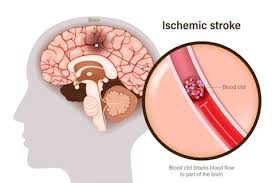
Have you heard of a transient ischemic attack (TIA) or mini stroke? It is a short-term symptom that looks similar to a stroke. It is caused by a short-term interruption of blood flow to the brain. A TIA usually lasts for a few minutes and does not cause long-term damage.
In reality, a TIA and a stroke are essentially the same – a clot or bleed that interrupts blood flow to a part of the brain. The only difference is that with a TIA, the interruption and the symptoms it causes are temporary. However, a TIA can lead to a real stroke. About a third of people who experience a TIA will have a major stroke within a year.
What is a transient ischemic attack?
A transient ischemic attack is like a temporary stroke. This means that there is a temporary (unstable) lack of blood flow to a part of your brain. Without blood flow, brain cells malfunction and begin to die.
Commonly abbreviated as TIA, a transient ischemic attack is a medical emergency that is similar to an ischemic stroke. The symptoms of both are the same, but TIA symptoms resolve within 24 hours, most within minutes.
Symptoms of a transient ischemic attack
Sudden weakness, numbness, or paralysis of the face, arm, or leg, usually on one side of the body.
Slurred speech or trouble understanding others.
Blindness in one or both eyes.
Dizziness or loss of balance.
A transient ischemic attack (TIA) or “mini-stroke” is caused by a temporary interruption in the blood supply to a part of the brain.
The interruption in blood supply causes a lack of oxygen to the brain.
Causes of transient ischemic attacks
Transient ischemic attacks and ischemic strokes occur for the same reasons.
Formation of a clot in your brain (thrombosis).
A piece of a clot that has formed elsewhere in your body travels freely through your blood vessels until it becomes lodged in your brain (thromboembolism).
Small vessel blockage (lacunar stroke).
Cryptogenic TIAs are those that occur with an unknown cause.
During a transient ischemic attack (TIA), one of the blood vessels that supplies oxygen-rich blood to your brain becomes blocked.
Factors that can increase your risk of having a TIA
Smoking
High blood pressure (hypertension)
Obesity
Diabetes
High cholesterol levels
Drinking alcohol regularly
Having an irregular heartbeat called atrial fibrillation
How to prevent a mini-stroke?
A transient ischemic attack (TIA) is usually a sign that something else is coming, and you are at a higher risk of having a full, life-threatening stroke in the future. Even if you have had a TIA or stroke in the past, Harvard Health has some tips to help reduce your risk of having one in the future.
Keep your blood pressure under control
Treat atrial fibrillation
Get treatment for diabetes
Exercise more
Quit smoking
What is the treatment for a mini-stroke?
Even if the symptoms of a transient ischemic attack (TIA) resolve within a few minutes or hours, you will need treatment to prevent another TIA or full stroke from occurring in the future.
Treatment depends on your individual circumstances, such as your age and medical history.
Even if the symptoms of a transient ischemic attack (TIA) resolve within a few minutes or hours, you will need treatment to prevent another TIA or full stroke from occurring in the future.
Treatment depends on your individual circumstances, such as your age and medical history.
Physical exam and tests.
Echocardiography
Magnetic resonance imaging (MRI) or magnetic resonance angiography
Computerized tomography (CT) or computerized tomography angiography (CTA) scans
You may be given advice about lifestyle changes you can make to reduce your risk of stroke.