

Bengaluru: There is a growing public health concern in Bengaluru as more women are being diagnosed with bone and joint disorders much earlier than in previous decades.
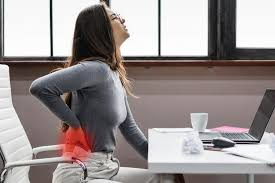
Doctors say women in their mid-30s and 40s are now experiencing constant joint pain and muscle stiffness, which used to appear after the age of 50 but are now starting to appear as early as 35 due to modern lifestyle.
This is a major contributor to the city’s IT-driven workforce. Long hours of sitting, long commutes and prolonged periods of sitting indoors have led to reduced physical activity among women, severely reducing their exposure to sunlight. This has led to widespread vitamin D deficiency and poor bone mineral density, doctors say. This has led to a rise in bone problems due to the work-from-home routine following the Covid-19 pandemic.
According to orthopedic experts, women aged 35 to 45 are more likely to suffer from knee and joint pain. Delayed pregnancy is further exacerbating the problem, said Dr. J.V. Srinivas, Senior Consultant, Bone and Joint Replacement, Aster RV Hospital. Calcium loss is high at the end of pregnancy and it takes a long time to regain bone strength. Without a proper lifestyle, women are prone to early bone and cartilage loss, he explained.
Women in their mid-30s are now being treated for the same problems that women in their 50s experience, explained Dr. Banerjee B.H, Senior Consultant, Orthopaedics, Sakra World Hospital. Prolonged sitting, work-related stress and hormonal imbalances are weakening muscles and bones. Obesity and uncontrolled use of medications, unsafe weight loss methods are leading to ligament and joint injuries, he said.
Women’s bone strength plays a role in determining hormonal health. Early menopause, thyroid disorders and autoimmune conditions such as arthritis significantly increase the risk of osteoporosis, the gynecologist said.
Rich in vitamin C
Oestrogen protects bone density. When menopause occurs early, the risk of bone fractures increases dramatically due to the removal of the ovaries during natural hysterectomy. They advised that the ovaries should be preserved until at least age 55 unless medically necessary.
Osteoporosis can be treated if detected early, the doctor said. Regular strength training, adequate calcium intake, vitamin D supplementation, and exposure to sunlight can help prevent long-term disability and fractures, he said.