

Mangaluru: Menopause typically occurs in women between the ages of 50 and 55; however, for some, it may occur as early as age 40 or 45. The premature cessation of menstruation can increase the risk of bone weakness and heart disease.

This issue has become significantly more prevalent in recent years. Premature menopause leads to various complications. Therefore, it is important to understand why menopause might occur early, the associated risks, and whether the condition can be addressed.
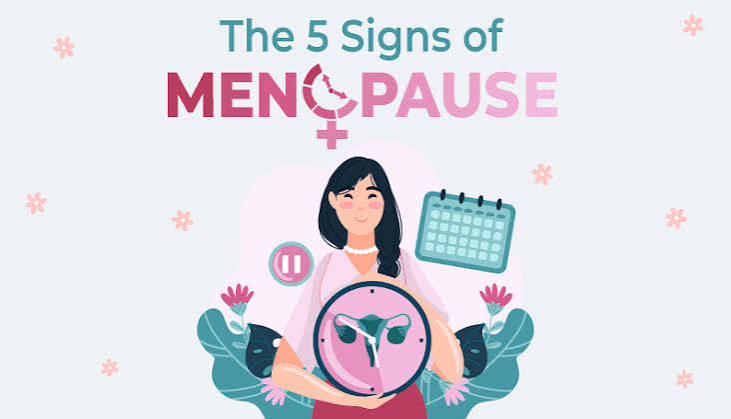
Menopause is defined as the absence of menstruation for 12 consecutive months, with no other underlying cause. Generally, menopause occurring before the age of 45 is termed ‘early menopause,’ while menopause occurring before the age of 40 is referred to as ‘premature menopause.’ Notably, in recent times, menopause is being observed in women as young as 40.
This occurs because women are born with a finite number of eggs; as this reserve diminishes, the resulting drop in estrogen levels and a rise in Follicle-Stimulating Hormone (FSH) trigger the onset of menopause. Some women experience menopause early, between the ages of 40 and 44—a condition that affects 5–10% of women globally. This is known as “early menopause” and occurs due to the rapid depletion of the ovarian reserve (the available supply of eggs).
Similar to natural menopause, pregnancy is no longer possible once menstruation ceases. However, these women typically require Hormone Replacement Therapy (HRT) until the age of 50 to prevent long-term adverse effects on their cardiovascular and skeletal health.
Premature Ovarian Insufficiency
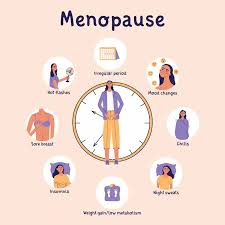
A related condition is Premature Ovarian Insufficiency (POI), where the ovaries lose their normal function before the age of 40. These conditions can sometimes run in families, suggesting a genetic predisposition. Other potential causes include autoimmune disorders, certain medical treatments, and, in some cases, a lower-than-average number of eggs present from birth. As ovarian function declines, women may experience symptoms associated with natural menopause, including hot flashes, excessive sweating, a rapid or pounding heartbeat, anxiety, depression, irritability, mood swings, body aches, and breast discomfort.
These symptoms are largely linked to hormonal changes—specifically a drop in estrogen levels—which can affect a woman’s physical and emotional well-being.
Focusing on Health During This Phase:
Although menopause is a natural biological process, maintaining good health during this stage is essential for long-term well-being. A balanced diet, regular physical activity, and adequate sleep can help women manage these symptoms and support their overall health.
Activities such as yoga, meditation, walking, cycling, swimming, and dancing can promote physical fitness, improve mood, and support bone and muscle strength. Regular health check-ups are also important; the frequency of these visits is determined by individual risk factors and medical advice.