

Tehran: In retaliation for Israel’s attack on Lebanon in violation of the declared ceasefire, Iran has retaliated by closing the Strait of Hormuz again. It is also learned that it has blocked ships that were trying to cross it.
This development has become a thorn in the side of hopes that the Strait of Hormuz would be open to oil and gas supplies to non-member countries, including India, due to the closure after the ceasefire announcement.
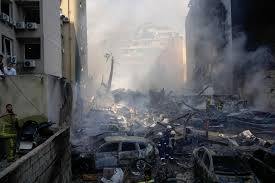
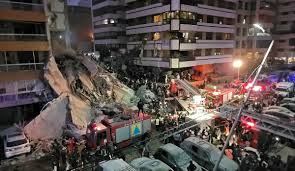
Israeli forces have carried out a heavy bombardment targeting Lebanon, which Iran has considered a violation of the ceasefire agreement.
The attack was carried out without prior warning and targeted several densely populated commercial and residential areas. It is said that 300 people were killed and 1200 people were injured in the attack. Reports indicate that schools, hospitals and basic facilities were also severely damaged in the attack.
Iran retaliated by closing the Strait of Hormuz. This had an immediate impact on the global oil market. Oil prices have risen and companies that transport crude oil globally have implemented increased safety measures.
Shipping companies are examining changes in shipping routes, increased insurance policies, and the option of longer routes. Oil-importing countries like India have been hit hard by the closure of the Strait of Hormuz.
Earlier, a two-week ceasefire agreement was announced between the US and Iran. According to the agreement, Iran had decided to open the Strait of Hormuz. However, Israeli attacks in Lebanon have complicated the purpose of this agreement and led to the closure of the route.
In a statement, the Iranian government said that this decision was taken to protect the security of the Strait of Hormuz and the right of global oil transportation.
The blockade of the Strait of Hormuz has had a severe impact on the global oil market, shipping routes, global trade and local economies. The recent attacks and the blockade have led to changes in oil purchasing, shipping plans and traffic routes. Countries dependent on oil imports have begun to look for new options, further intensifying the global oil supply problem.
The impact of the attacks in Lebanon has caused severe hardship for civilians. Hospitals are under severe strain, and there is a shortage of raw food, fuel and medical supplies. Although international organizations are scrambling to provide emergency assistance, limited resources are causing hardship.