

Abu Dhabi, April 29: The UAE has decided to withdraw from oil exporting groups OPEC and OPEC+ amid the conflict between Iran and the US, a decision that is likely to affect the global oil market.
The United Arab Emirates announced on Tuesday that it will withdraw from the Organization of the Petroleum Exporting Countries (OPEC) and OPEC+, effective May 1.
The move comes at a time when the Iran war has caused a historic energy shock and destabilized the global economy, causing global surprise.
The decision was announced by the country’s state-run WAM news agency, which said the move is in line with the UAE’s long-term strategy and economic priorities.
UAE’s 2027 production targets
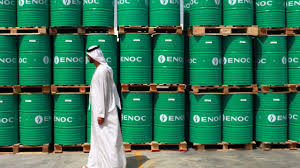
The UAE has planned major changes in its oil production after leaving the OPEC alliance. The UAE aims to increase its oil production capacity to 5 million barrels per day (bpd) by 2027, up from 3.4 million barrels currently.
The UAE National Oil Company (ADNOC) is investing around $150 billion (approximately ₹12.5 lakh crore) to achieve this goal. Free from OPEC quota restrictions, the UAE can now independently determine its oil production according to market demand.
Future goals
The UAE energy minister has also expressed the possibility of increasing production to 6 million barrels per day after 2027 if market demand increases.
Serious impact on oil market
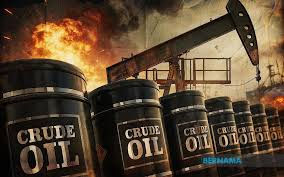
The UAE’s sudden decision has started affecting the global oil market. After this news, the price of crude oil in the global market has crossed $110 per barrel. Similarly, the UAE’s decision to leave OPEC, the third-largest producer, has weakened the group’s ability to control global oil supply.
Current status of the Strait of Hormuz
The Strait of Hormuz, a key hub for global energy supplies, is currently in serious crisis due to the Iran war. Iran has almost completely closed the strait since February 28, 2026. Iran has announced that no foreign ships will be allowed to enter until the US naval blockade is lifted.
Lack of alternative routes
Although the UAE and Saudi Arabia are trying to export oil through alternative pipelines, these are unable to compensate for the huge volume of 20 million barrels per day passing through the Strait of Hormuz. According to recent reports, Iran has put forward a new proposal that it is ready to reopen the strait if the US lifts its blockade on it.