

Thiruvananthapuram: The Kerala Government’s proposal to grant three days of period leave to school girls every month has sparked a fresh debate on health, education and women’s rights across the country. The measure is to be implemented under the state government’s ‘Project Menstrual Dignity’ scheme.

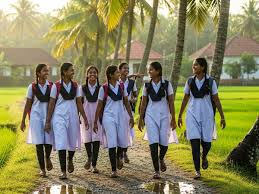
According to the new proposal, female students who face severe stomach pain, fatigue, headache, vomiting or other health problems during their menstrual cycle can get a maximum of three days of leave per month. The government is also planning to conduct special ‘catch-up classes’ on weekends to ensure that their studies do not suffer due to the leave.
The proposal has been welcomed by many as a progressive step towards protecting women’s health and dignity. Many female students face severe physical discomfort during their periods and have to attend school despite the pain. It is felt that this scheme will help such students.
But there is also opposition to the scheme. Some women leaders and educationists have expressed concerns that the privacy of students may be violated in the process of taking period leave. They have argued that there is a risk of students’ menstrual cycle information being revealed in school or society.
Some others are of the opinion that it may send a message to society that periods are considered an illness. They have suggested that instead of giving leave, schools should increase clean toilets, sanitary napkin vending machines, rest rooms and health awareness programs.
This issue has also been the subject of debate on social media. While supporters say that “leave is not mandatory, only those who need it can use it”, opponents have raised the question that “missing classes for several days every month can have an academic impact”.
Some universities and private institutions in India are already following the period leave system. But Kerala is likely to be the first state to propose such a scheme at the school level.
Overall, there is widespread debate about whether Kerala’s proposal is an attempt to give greater recognition to women’s health or a move to create new challenges in the education system, with everyone’s attention focused on the final decision and implementation.