

Bengaluru, April 14: The Health Department, which has suggested serving nutritious food in government meetings and functions, has recommended distribution of cereals-based snacks, fruit and vegetable salads.
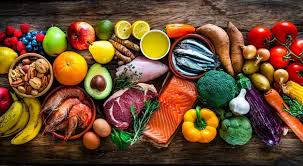
It recommends cereals-based snacks, low-fat and low-sugar items, fruits and traditional foods. It has rejected processed, fried and sugary items. The move aims to promote health care, hygiene and good eating habits in government offices.
The advisory highlights that food and beverages served at government functions often do not meet healthy nutritional standards. It emphasizes the World Health Organization’s definition of health as a state of complete physical, mental and social well-being.
The department emphasizes the role of proper diet in achieving long-term well-being. For internal meetings, the advisory recommends cereals-based snacks, low-fat and low-sugar items and high-fiber foods that are free of Ajinomoto.
Fresh fruits, vegetable salads, sprouts and roasted, unsalted nuts and seeds are encouraged. Beverages like green tea, low-fat buttermilk and boiled or filtered water are preferred over sugary or processed drinks. In large government functions and gatherings, departments have been directed to include at least one ragi-based snack and two ragi-based dishes in the meal.
Using brown rice instead of white rice, including local cuisine and freshly prepared salads and fruits are also recommended. In serving non-vegetarian food, lean and well-cooked meat is suggested.
The advice has also been given to eateries within government campuses. It has been made mandatory to include ragi-based foods, fresh vegetables and cooked pulses like chickpeas and corn.
It has also been emphasized to ban the use of plastic bottles in reusable metal containers. It has also strongly discouraged processed and fried foods, carbonated drinks, high sugar juices and alcohol. It also calls for maintaining strict hygiene in food preparation and service. Food
Departments are expected to actively adopt and promote these practices. The move aims to support local self-help groups, cottage industries and sustainable food systems, which have led to a shift towards healthier and more responsible consumption in government institutions.