

Bengaluru, July 04: The Karnataka Health Department has taken a significant decision to help patients who lose their lives due to heavy traffic and narrow roads in the city and do not get timely treatment.
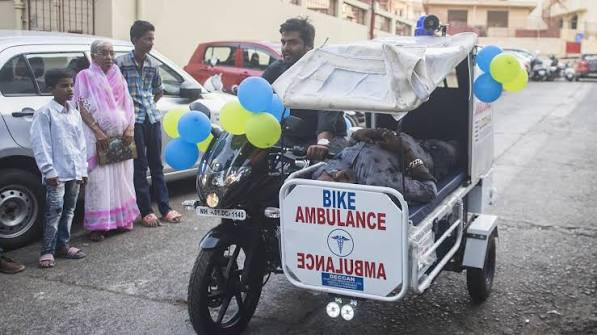
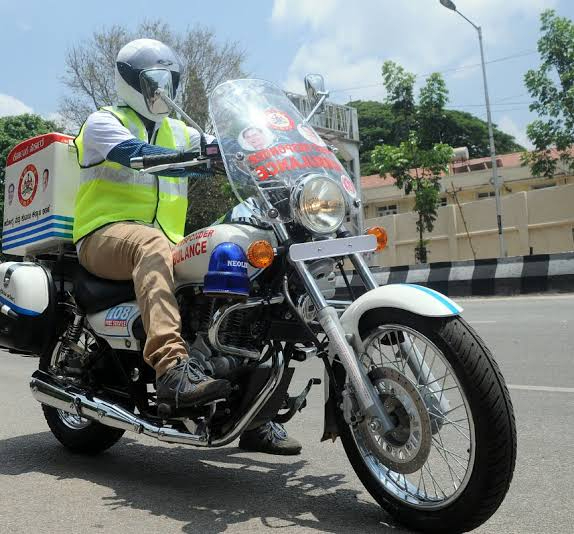
The state government is reviving the ‘bike ambulance’ service, which was previously suspended due to technical reasons, and is preparing to put 100 high-tech bikes on the road in the first phase. The first hour of emergency medical care is called the ‘golden hour’. The primary treatment a patient receives during this period plays a key role in saving his life.
Background of the project and reason for the suspension.
The state government had first implemented this innovative project in 2015 itself on a pilot basis with 30 bike ambulances. Although it received a good response initially, the project later became boring due to lack of proper vehicle maintenance, technical glitches and lack of proper awareness among the public about it. As a result, the department had temporarily suspended its operations. But due to the current traffic congestion in Bengaluru, the necessity of this service has arisen again.
How does a bike ambulance work?
These bike ambulances can easily maneuver through narrow lanes, flyovers and roads with heavy traffic. They reach the designated location about 40% faster than regular ambulances. Trained paramedical staff or nurses will drive these bikes. These staff, who will immediately reach the scene of an accident or heart attack, will provide first aid on the spot to save lives until a larger ambulance arrives.
Life-saving equipment facilities
These are not just ordinary bikes, but will function as mini emergency treatment units. Each bike ambulance will be equipped with a portable oxygen cylinder, first aid kit and life-saving emergency medicines, BP monitor and glucometer equipment, heart rhythm monitoring machine, digital communication and GPS tracking system, among other facilities.
Bike ambulance services have been very successful in saving the lives of patients in major Indian states like Tamil Nadu, Maharashtra and Goa. The same model is now being implemented in a more systematic manner in Karnataka. This time, the Health Department is preparing a blueprint to expand this service in a phased manner, not just in Bengaluru, but also in other major cities and rural areas of the state.