

Delhi: A major change is likely to be introduced to the rules of the Central Government’s ambitious ‘Ayushman Bharat Pradhan Mantri Jan Arogya Yojana’ (AB-PMJAY). This decision will directly impact beneficiaries who have until now been receiving free treatment at private hospitals.
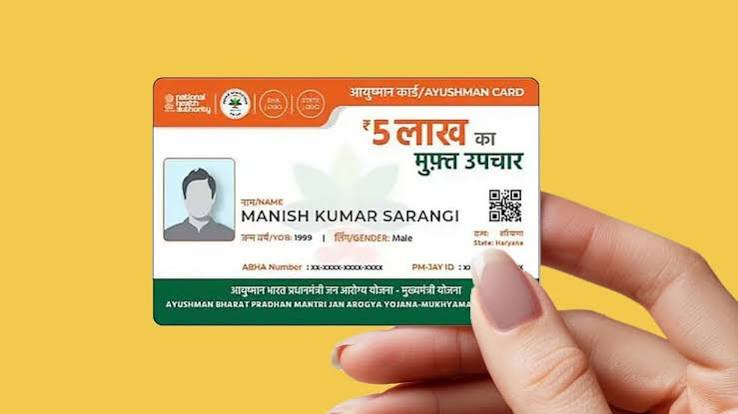

According to a new proposal drafted by the National Health Authority (NHA), treatment packages for 112 specific medical conditions and surgical procedures are set to be reserved exclusively for government hospitals. The proposal involves removing these packages from the list of services available at private hospitals. In other words, beneficiaries seeking free treatment for these 112 conditions under the Ayushman Bharat scheme may now have to rely solely on government hospitals.
Previously, 23 packages were reserved; now, 89 more are being added:
A system for reserving certain treatment packages for government hospitals under the Ayushman Bharat scheme is already in place. However, it has now been decided to further expand the scope of this list. Until now, treatment packages for only 23 medical conditions were reserved exclusively for government hospitals under this scheme. Under a new proposal, an additional 89 packages are set to be added to this list. Consequently, treatment for a total of 112 medical conditions and surgical procedures will be restricted exclusively to government hospitals.
The list encompasses various significant conditions across specialties such as Gynecology, General Surgery, Mental Health, General Medicine, Orthopedics, ENT (Ear, Nose, and Throat), and Ophthalmology. These packages range from day-care procedures to major surgical interventions.
What are the key medical conditions for which treatment will henceforth be available only in government hospitals?
1. Eye conditions: Cataract surgery and Glaucoma surgery.
2. Conditions related to women: High-risk deliveries, Hysterectomy (removal of the uterus), and MTP (Medical Termination of Pregnancy). 3. Stomach and Liver-related diseases: Alcoholic Liver Disease, Hepatitis, Pancreatitis, Diarrhea.
4. Surgical conditions and other health issues: Fistula, Cysts, Biopsy, Severe Anemia.
5. Seasonal and respiratory diseases: Malaria, Chikungunya, Acute Bronchitis.
6. Mental health issues: Stress management, Anxiety, Mood disorders, ADHD, and other mental health concerns.
Why is this decision being taken? When will the new rule come into effect?
The primary objective behind this change is to reduce the high expenditure incurred by the government on private hospitals and to further strengthen healthcare services in government hospitals.
The National Health Authority (NHA) has sent a letter to all states regarding this, proposing the implementation of the new rule uniformly across the country, effective from December 1, 2026. Currently, State Health Authorities (SHA) are assessing the availability of doctors, treatment facilities, and the capacity of essential medical resources in government hospitals. It is likely that this rule will be implemented only thereafter.