

Mangalore , June 10: Purple fruit is a very important medicinal fruit in Indian culture. Its fruit, seeds, leaves and bark—all are helpful in controlling diabetes, improving digestion, purifying blood and maintaining oral health.
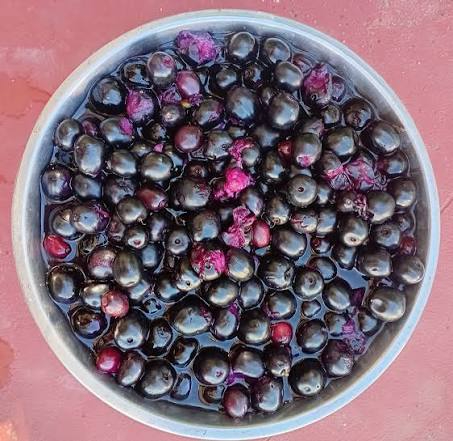
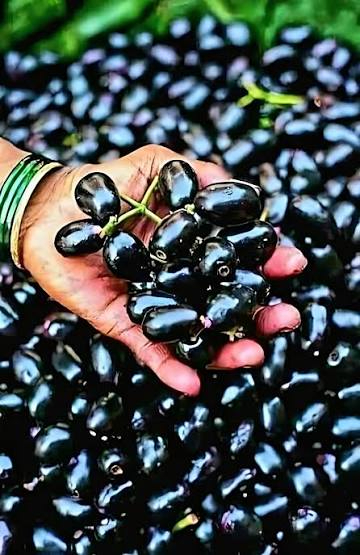
It has decoction properties in Ayurveda and helps in balancing blood sugar levels. It is necessary to be careful about the side effects of excessive consumption.
Purple fruit is one of the most important medicinal fruits in the Indian traditional medical tradition. In Sanskrit, it is called “Jambu”, in Kannada “Nerale” and in Hindi “Jamun”. Its scientific name is Syzygium cumini. Each part of this amazing tree—the fruit, seeds, leaves, bark and root—has its own unique medicinal properties.
According to Ayurveda, purple fruit has decoction (ogar) juice and cold nature. Its use has been going on for centuries, especially in the areas of diabetes, digestion, blood purification and oral health.
Benefits of the amazing health-giving purple fruit:
The purple fruit and its seeds are mentioned in ancient medical texts as a panacea for controlling diabetes.
Consuming the dried seed powder with water in moderate quantities helps in balancing the blood sugar levels. Along with this, the purple fruit is considered useful in problems like indigestion, stomach pain, diarrhea and diarrhea. Consuming it in small quantities after meals improves digestion. Also, the abundant iron and vitamin C in the purple helps in blood production, reducing anemia and purifying the blood.
Medicinal secrets of the seeds and bark:
The powder prepared by drying the seeds of the purple fruit is used not only for diabetes but also for diarrhea and urinary problems. The decoction of its seeds is good for urinary tract infection (UTI), urinary tract inflammation and kidney health. In rural India, the practice of using dried and powdered licorice bark for brushing teeth is still prevalent. It strengthens the gums and reduces bleeding. Washing the face with a decoction of this bark reduces acne and increases the radiance of the skin.
The leaves have anti-bacterial and wound-healing properties:
Chewing fresh licorice leaves daily removes bad breath and improves gum health. In some ancient texts, licorice leaf juice is mentioned as an aid in managing diabetes. In addition, there is a tradition in villages to apply leaf juice or leaf paste on small wounds. It works like an antiseptic and helps wounds heal faster.
Side effects and necessary precautions of licorice fruit:
Although licorice fruit is healthy, some health problems can occur if it is consumed excessively or in the wrong way:
Low blood sugar: If people who are already taking medication for diabetes use large amounts of licorice seed powder, there is a possibility of dangerously low blood sugar levels (hypoglycemia).
Stomach problems: Purple fruit should never be consumed on an empty stomach. Doing so may cause nausea, acidity or stomach pain. Constipation can also occur if consumed in excess.
Do not consume with milk: Do not consume milk and curd immediately after eating purple fruit or with it, as this is an antidote.
Pregnant women and allergies:
In some people, it can cause allergies such as skin itching or breathing problems. Although it is safe for pregnant women to consume it in normal food quantities, it is mandatory to seek expert advice before using it for medical purposes. It is best to eat the fruit within the limit of 100 to 150 grams per day.
Traditional practice of eating purple fruit with salt:
Purple fruit has a naturally sour and sour taste. When eaten with salt, the sourness is reduced and the natural sweetness of the fruit is enhanced. This is a tradition that has been followed for centuries across India.
Eating it with a little salt (especially Saindhava Lavana or Kalluppu) helps in digestion and reduces bloating and indigestion. When the main ingredient of the decoction is violet and the salt, which is the salt, is added, the taste is balanced. But remember, only a little salt should be used for taste. It is good for diabetics and those with high blood pressure (BP) to eat without salt.
‘Jambudvipa’, the pride of our cultural history:
Purple is not just a fruit; it is an integral part of India’s culture and glorious history. According to mythology, India was called “Jambudvipa” in ancient times because of the unique trees called “Jambu” (purple) growing in abundance. Therefore, the purple fruit not only provides physical health, but is also a proud symbol of our cultural heritage. If the fruit provides health, the seed becomes medicine, and the tree protects the environment. Let us use this delicious and nutritious gift that nature has given us in moderation and protect our health.