

Bengaluru, May 07: Keeping in mind the reality that women serving prison sentences and their young children also have to live in prison, the Karnataka government has taken a significant step.

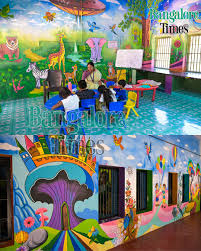
The country’s first Government Special Child Care Centre (GSCCI) has been set up within the women’s wing of the Parappana Agrahara Central Jail in Bengaluru.
This special unit has been started with the aim of providing education, safety and emotional development to children below the age of six years who are in the care of female prisoners.
This scheme has been implemented from a humanitarian point of view considering the situation of these children who have not committed any crime and have to live in the prison premises with their mothers.
Karnataka Child Protection Directorate Director C.V. Sneha said that two teachers have been appointed in this centre and work is done to create awareness among the children about literacy, numbers, rhymes, painting, creative activities and ‘safe touch-unsafe touch’.
Along with this, emphasis is also being laid on personality development in the children. They said that they are being taught good daily habits including showing respect to elders, greeting teachers, and meal etiquette.
DCP officer of Bengaluru West (Anekal) District Child Protection Office Asha HK said, “As per the Supreme Court guidelines and prison rules, children below the age of six can stay with their mothers in jail. We will ensure their protection, education and school readiness during this period.”
Family members will be contacted after the child completes six years of age. If there is no response from the family, action will be taken for the further education and care of the children with the help of NGOs registered under the Juvenile Justice Act, he said.
Currently, nine children are being cared for at this centre. They are being provided regular health check-ups, nutritious food and quality education. Three of these children are children of foreign female prisoners. The women are arrested in drug cases and the children are kept with their mothers as they are very young.
Colorful pictures have been painted on the walls of the classrooms to reduce the fear of prison environment for children. Toilets, hand washing facilities and play-learning spaces have been built for the convenience of children. It has been informed that these infrastructures have been developed with the funds released by the Directorate of Child Protection.
This scheme has been formulated on the basis of the Central Government’s ‘Mission Vatsalya’, the Juvenile Justice (Care and Protection of Children) Act-2025 and the guidelines of the United Nations Convention on the Rights of the Child (UNCRC), and in the next phase, plans have been made to implement more nutritious food, health supplements and comprehensive development programs for children, officials said.