

Mangaluru, October 04: The brain possesses an amazing ability known as neuroplasticity. This is a special power that allows the entire nervous system to reorganize and renew itself in response to new knowledge, physical movement, and various forms of stimulation.
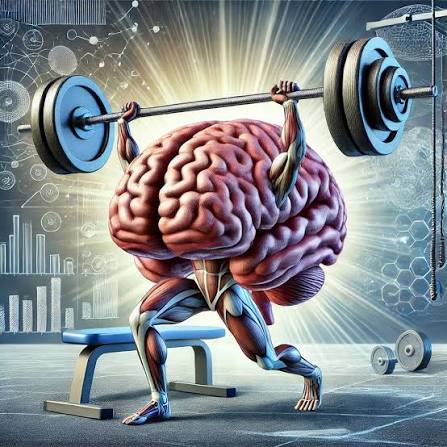
Just as muscles deteriorate without regular exercise, the network of brain neurons weakens without constant stimulation. A decline in memory as one ages is not inevitable. By engaging in specific physical movements that activate brain chemicals and intellectual exercises that boost mental capacity, we can maintain mental agility, concentration, and long-term brain health.
Physical Exercise for Neural Vitality:
Physical activity benefits more than just heart health; it acts like a natural fertilizer for the brain by stimulating the secretion of BDNF—a protein essential for the survival of neurons and long-term memory.
Let us look at some of these exercises.

- Specialized Walking: Brisk walking increases blood flow and oxygen supply to the prefrontal cortex and hippocampus. It is even more beneficial to transform a routine walk into an intellectual exercise. While walking, you can count backwards from 100 in decrements of 7 (e.g., 100, 93, 86…) or recall the capital city of a different country every ten steps. This compels the front and back regions of the brain to communicate simultaneously.
- Specialized Yoga Exercises: Movements that cross the body’s midline—such as marching while rhythmically touching the raised knee with the opposite elbow—are highly effective. Nadi Shodhana Pranayama (alternate nostril breathing) is also beneficial, as it facilitates rapid communication between the brain’s left and right hemispheres.
- Single-Leg Balancing: Balance training is extremely powerful. You can practice Vrikshasana (Tree Pose). Once you have achieved balance, standing with your eyes closed for 10–20 seconds offers additional benefits. This eliminates reliance on visual cues, prompting specific neural networks in the brain to become highly active. Now, let us look at some mental exercises for brain health.
- Using the non-dominant hand (Neurobics): Using the hand we do not usually rely on for daily activities (the right hand if one is left-handed, or the left hand if one is right-handed) breaks the brain out of its autopilot mode. Those accustomed to using their right hand can try brushing their teeth, holding a spoon, or writing with their left hand. Using the non-dominant hand activates dormant neural connections in the motor cortex and fosters the creation of new neural pathways.
- Learning new, complex skills: Acquiring a new skill helps build new neural networks in the brain. One could spend 15 minutes a day learning a musical instrument, studying a new language, or playing complex games like chess or solving puzzles. Learning a new skill revitalizes the brain.
- Trataka (Focused Gaze): The practice of Trataka helps restore scattered concentration. Sit comfortably and fix your gaze on a specific point—such as a lamp flame, a black dot on the wall, or a distant leaf—without blinking for a short period. When the mind wanders, it should be gently brought back to the same focal point. Trataka calms mental restlessness and strengthens the frontal region of the brain, thereby enhancing mental resilience against fatigue.
Building a strong brain does not require hours of grueling training; small, consistent daily habits yield remarkable results. By combining agile physical movement with continuous mental challenges, we can prevent cognitive decline and maintain mental vitality at every stage of life.